Free Contract Templates for Freelancers: Clauses That Protect Your Payment
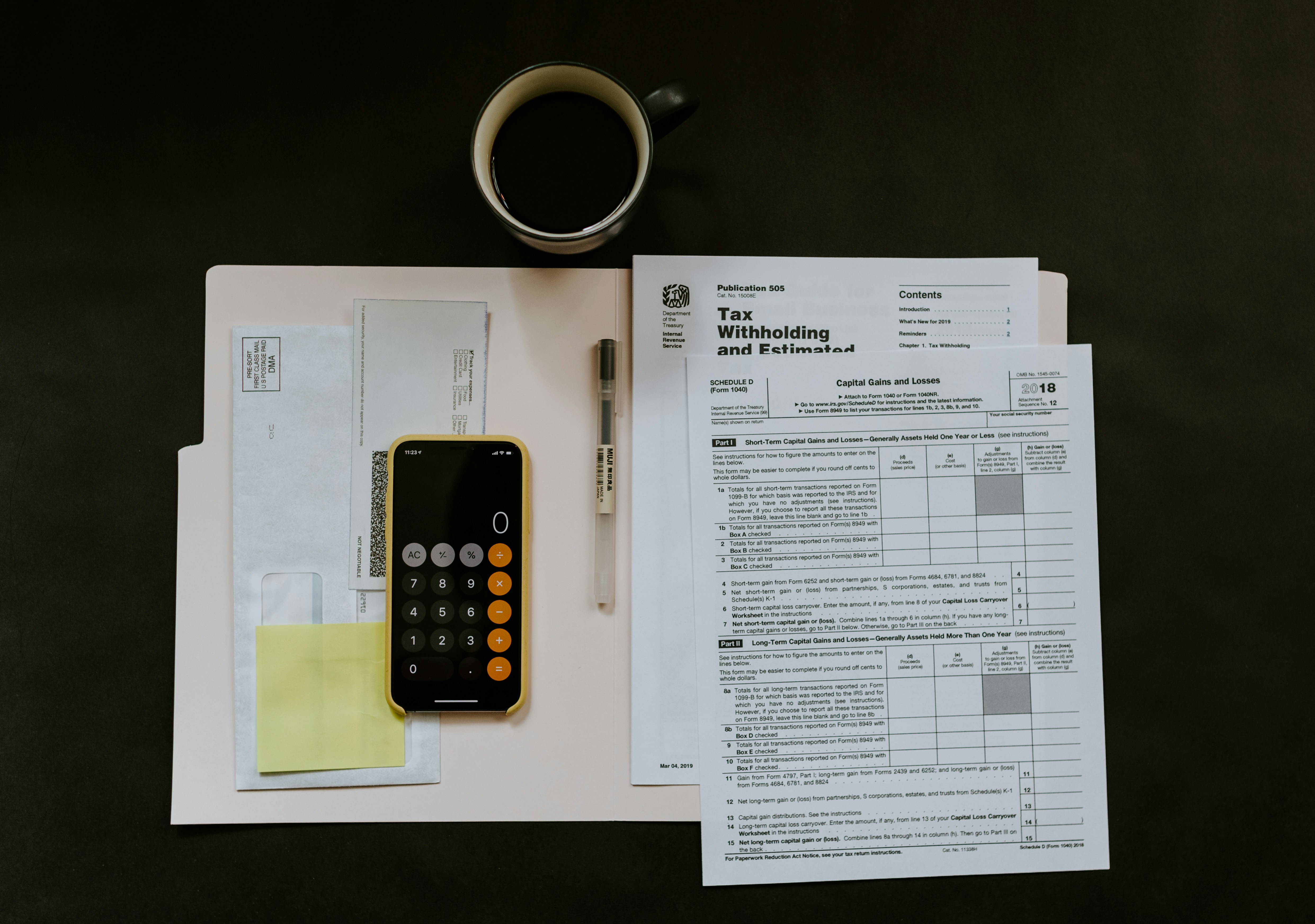
- Primary Signal: Free Contract Templates for Freelancers: Clauses That Protect Your Payment
- Overview: A contract template turns a chat agreement into something both sides can rely on. Learn the essential clauses, how to handle scope changes and late payment, and how to adapt a free...
- Verification: Analyzed and compiled by Free2Rich Vault editorial monitoring desk.
A freelance contract is not about distrust; it is about memory. Six weeks into a project, nobody remembers exactly what was agreed in a chat message, and that is when disputes start. A free contract template turns the agreement into a document both sides can point to: scope, price, timeline, revisions, payment, and what happens if things change. Using one from the first job marks you as a professional, and it protects the client too.
Start with the essentials. The parties and the date. A scope section describing the deliverables concretely — number of posts, pages, designs, or hours — because vague scope is the most common source of extra unpaid work. A timeline with milestones and delivery dates. A price and payment schedule, typically a deposit before work begins and the balance on delivery, with the payment method and due period stated. A revision clause: how many rounds of changes are included, and what counts as a new charge. And an ownership clause: when the client owns the final work, usually on full payment.
Three more clauses prevent the arguments freelancers dread most. A change clause states that work outside the agreed scope is quoted separately and agreed in writing before it starts — the single most valuable sentence in any freelance contract. A cancellation clause states what is owed if either side ends the project early, usually payment for work completed plus a notice period. A late-payment clause states the fee or interest that applies after the due date, and the right to pause work until payment arrives. These clauses rarely get used, but their presence changes behaviour: clients who know the terms respect them.
Free templates are starting points, not finished legal documents. Adapt the template to your service: a writer needs different clauses from a designer, who needs different clauses again from a developer. Remove sections that do not apply rather than leaving them in, because an irrelevant clause creates confusion. Keep your business details, payment terms and revision limits consistent across all your templates, so regular clients see the same terms every time. And for high-value or unusual projects, have a local professional review the contract — a short review costs far less than a dispute.
Modern free tools make signing painless: send the contract as a PDF, let the client sign electronically, and keep a copy each. Do not start substantial work before the contract is signed and the deposit is received, however friendly the client seems — the deposit is the clearest signal that the project is real. Once both habits are in place — template adapted, signature before work — you will wonder how you ever freelanced without them. The template costs nothing, takes an evening to adapt, and quietly prevents the problems that end freelance relationships.
Adapt one contract template this week for your main service, and use it on your very next project. The first signed contract feels formal; the second feels normal — and from then on, every project starts with clarity instead of assumptions.
📖 Continue Reading the Full Story
Continue reading this article on Free2Rich Vault.
⚡ Access Full Content NowMore from Free2Rich Vault



 ₿ Lucky Satoshi
How to Use Bitcoin Testnet to Play Casino Games for Free?
Bitcoin testnet coins are worthless by design, and a few casinos accept them so you can practice deposits, bet...
 💎 Try2Rich
2026 Industry Analysis: Freelancer Net Pay Calculator (PKR) — Upwork, Fiverr & Payoneer Fees (Day 3 Guide)
Why experts rely on Freelancer Net Pay Calculator (PKR) — Upwork, Fiverr & Payoneer Fees on Try2Rich. Discover...
🎁 Get Rich Free
Strategic Positioning: Freelancer Net Pay Calculator (PKR) — Upwork, Fiverr & Payoneer Fees (Day 26 Guide)
Gaining a competitive advantage through Freelancer Net Pay Calculator (PKR) — Upwork, Fiverr & Payoneer Fees o...
💰 Free2Rich Online
Automation & Integration: Freelancer Net Pay Calculator (PKR) — Upwork, Fiverr & Payoneer Fees (Day 27 Guide)
Streamlining daily analytics with our Freelancer Net Pay Calculator (PKR) — Upwork, Fiverr & Payoneer Fees on ...